
What Happens During an Emergency Tree Removal?
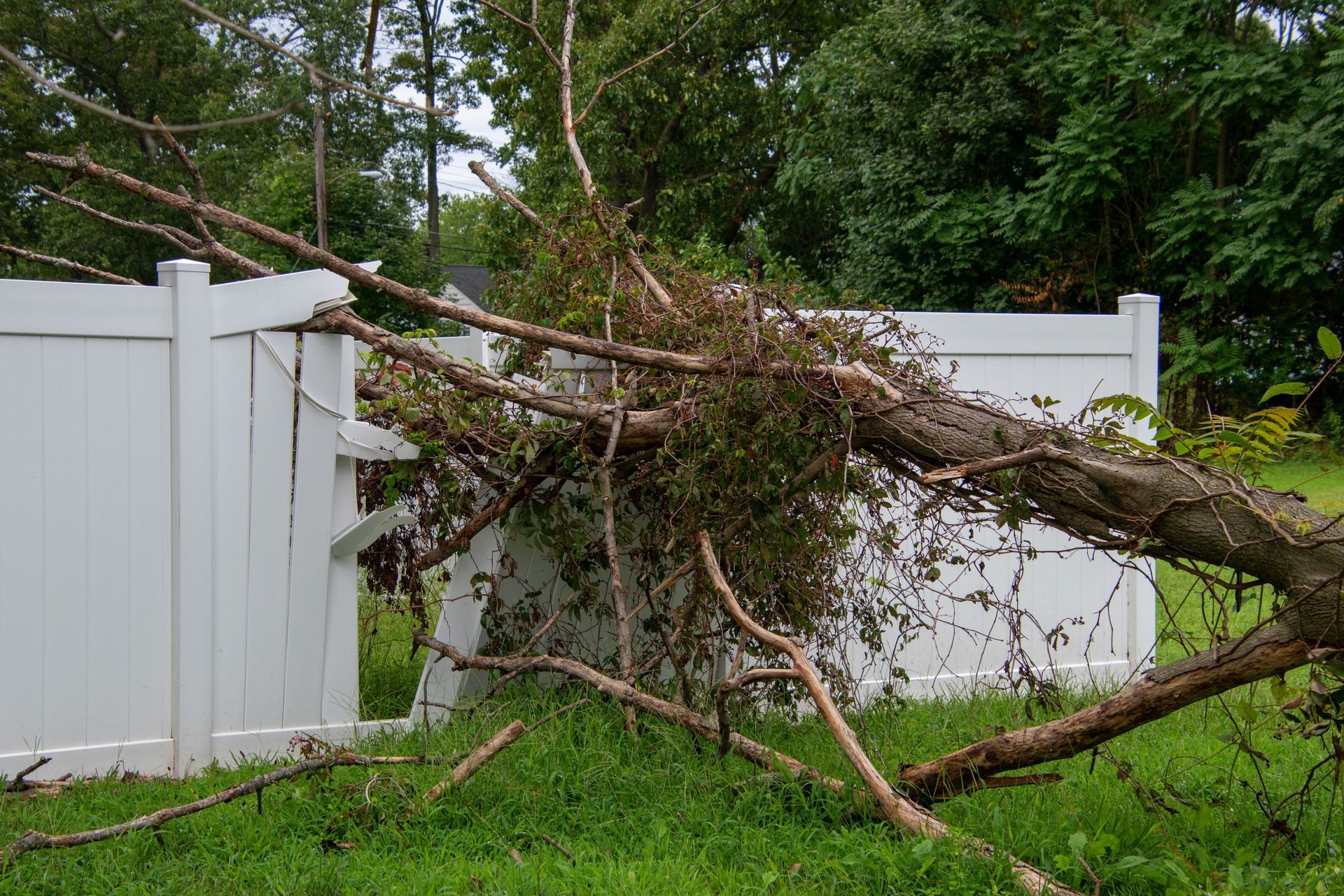
Severe weather leaves immense damage across residential properties, bringing massive branches down onto roofs, vehicles, or power lines. When timber structural integrity fails, property owners face immense stress and confusion. The situation demands rapid intervention from professionals equipped to handle heavyweights and tension under unpredictable conditions. Time dictates every decision, as compromised timber presents an ongoing threat to structures and pedestrian safety.
Property owners must understand the distinct phases involved in an emergency tree removal. Specialized crews follow rigid protocols to mitigate danger and restore site safety. The process involves profound knowledge of physics, complex rigging, and systematic dismantling. Recognizing these phases helps individuals anticipate the required actions when sudden disasters strike their land, ensuring the environment returns to a stable condition without further complications.
Assessing the Immediate Hazard
Arrival on the scene initiates a rigorous evaluation phase. Arborists inspect the fallen or leaning specimen to determine the root cause of the failure. They look for split trunks, uprooted root plates, and entangled canopy sections. Identifying structural faults prevents further collapses during the mitigation process. A comprehensive understanding of botanical mechanics dictates the subsequent strategy for the entire rescue team.
Crews analyze the surrounding terrain and potential strike zones. High-voltage lines, underground utilities, and nearby homes complicate the situation. A thorough inspection ensures the crew formulates the safest approach. Ignoring these environmental factors increases the risk of catastrophic property damage. Arborists map out the entire drop zone to protect all underlying assets from rogue branches or sudden shifts in weight during the extraction.
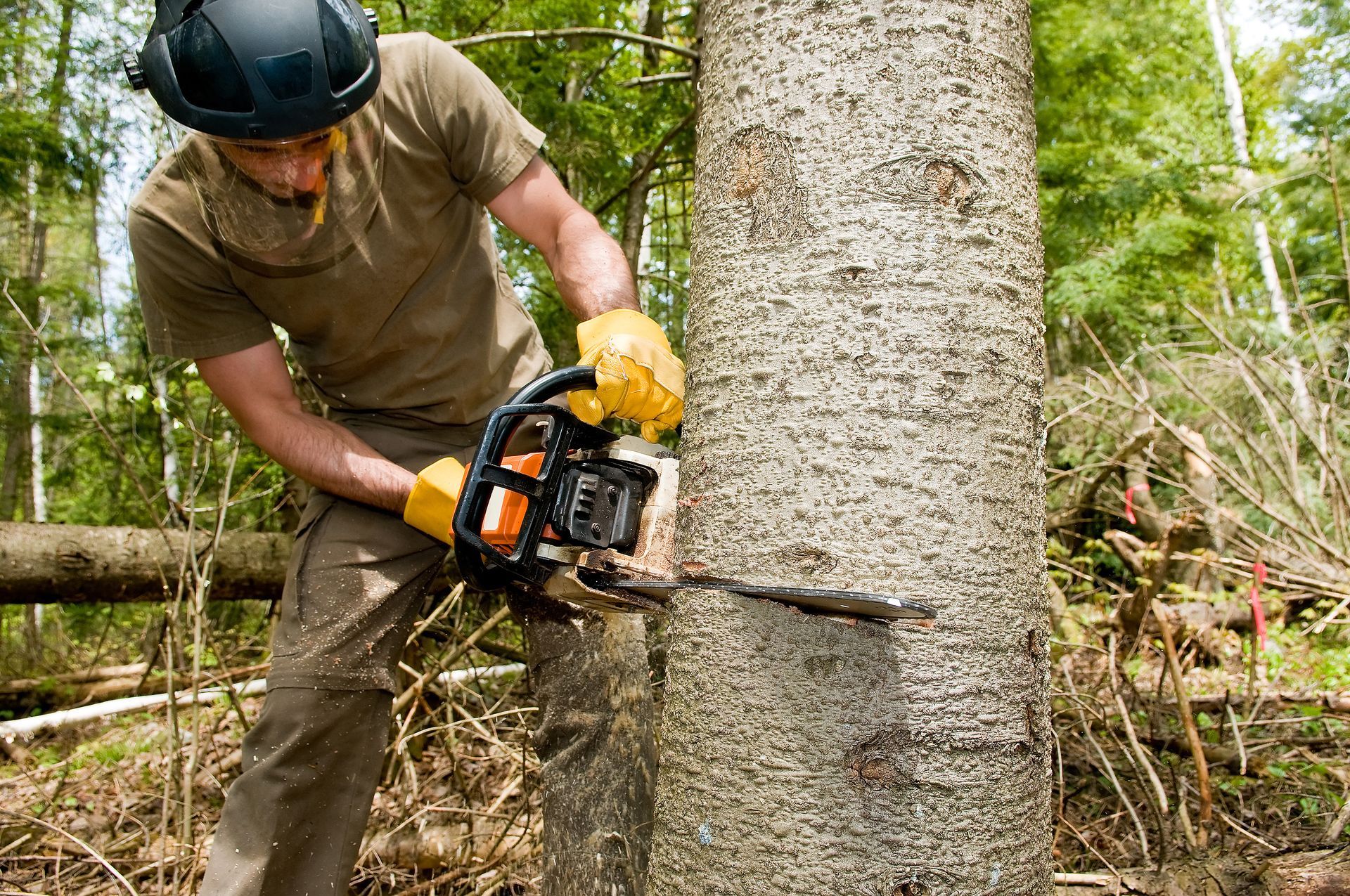
The team commander formulates a customized action plan. Every situation requires a unique approach based on the angle of the lean and the species of timber. Hardwoods behave in a distinct manner from softwoods under stress, dictating the choice of rigging equipment. The plan outlines every cut before the chainsaw engine starts. Precision planning overrides spontaneous decisions in hazardous environments.
Constant communication among the crew ensures seamless execution. Team members receive specific assignments, from operating the crane to managing the ropes on the ground. Clear hand signals replace vocal commands to overcome the roar of heavy machinery. This coordination serves as the backbone of a safe emergency tree removal, aligning every team member toward a singular goal of total hazard reduction.
Securing the Surrounding Environment
Before the physical extraction begins, teams establish a strict safety perimeter. Heavy equipment requires ample space to maneuver without endangering bystanders or neighboring properties. Warning cones and caution tape create distinct visual barriers. Restricting access protects curious neighbors and wandering pets from falling debris. A secure perimeter guarantees the crew can operate heavy machinery without unexpected pedestrian interruptions or safety breaches.
Ground protection measures follow the perimeter establishment. Heavy machinery causes significant damage to manicured lawns and delicate hardscape. Crews lay down protective matting to distribute the weight of bucket trucks and high-capacity wood chippers. Preserving the landscape remains a top priority even amidst chaotic circumstances. This attention to detail minimizes the residual footprint left behind by the rescue vehicles.
When dealing with compromised timber, unpredictable shifts remain a constant threat. According to Harris Poll research, 90% of yard owners think lawn maintenance is important, and two out of three would prefer hiring a professional to care for their trees and shrubs due primarily to the complexity and the risks. This data highlights the inherent dangers of attempting amateur repairs. Untrained individuals lack the specialized gear required for structural stabilization.
Professionals anchor leaning trunks using specialized cables and heavy-duty winches. Tensioning the compromised structure prevents sudden snapping during the cutting phase. This stabilization process demands precision and an understanding of load-bearing dynamics. Securing the load ensures the subsequent emergency tree removal proceeds without unexpected collapses, keeping the operation controlled from the initial assessment to the final cleanup stage.
Executing the Branch Dismantling
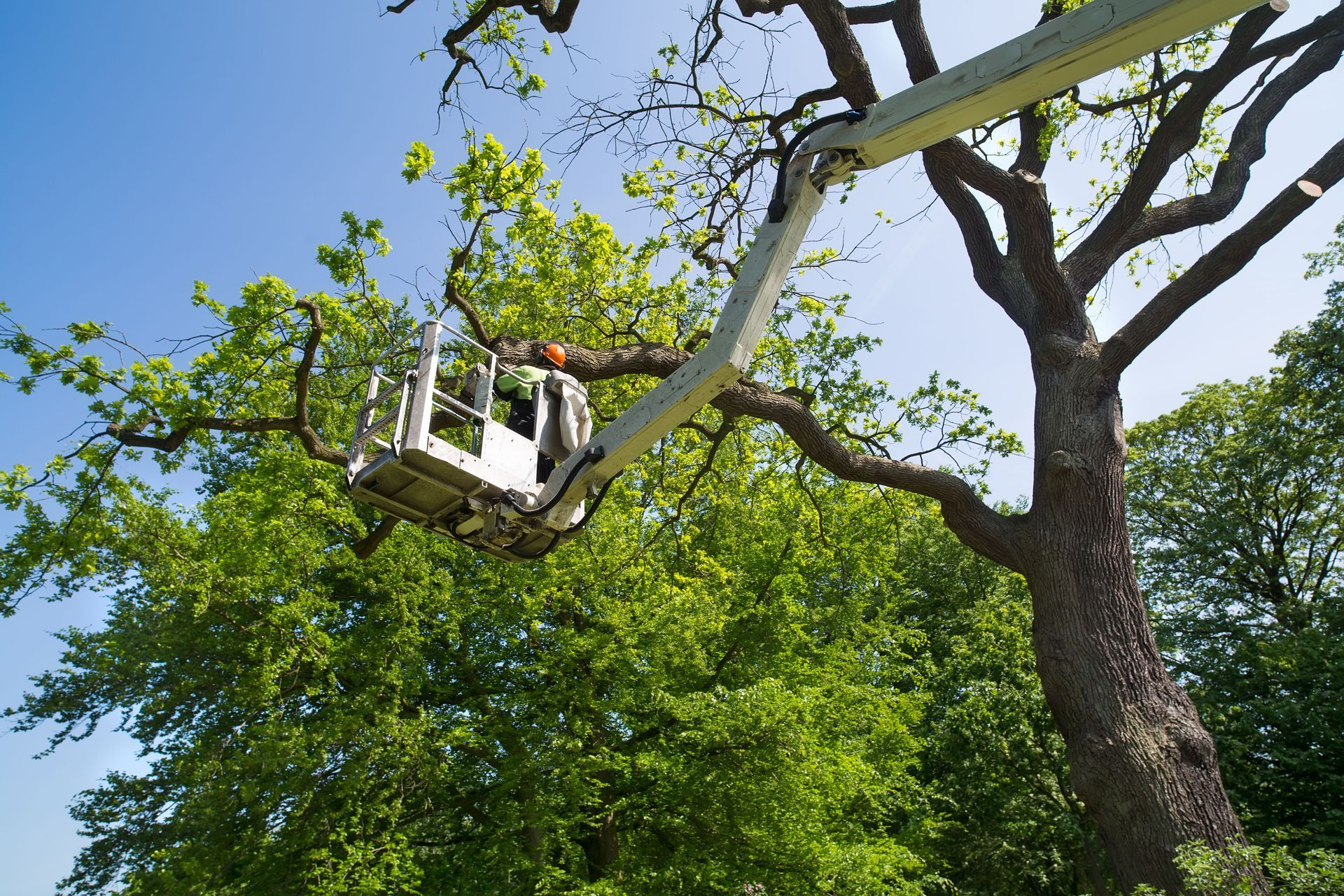
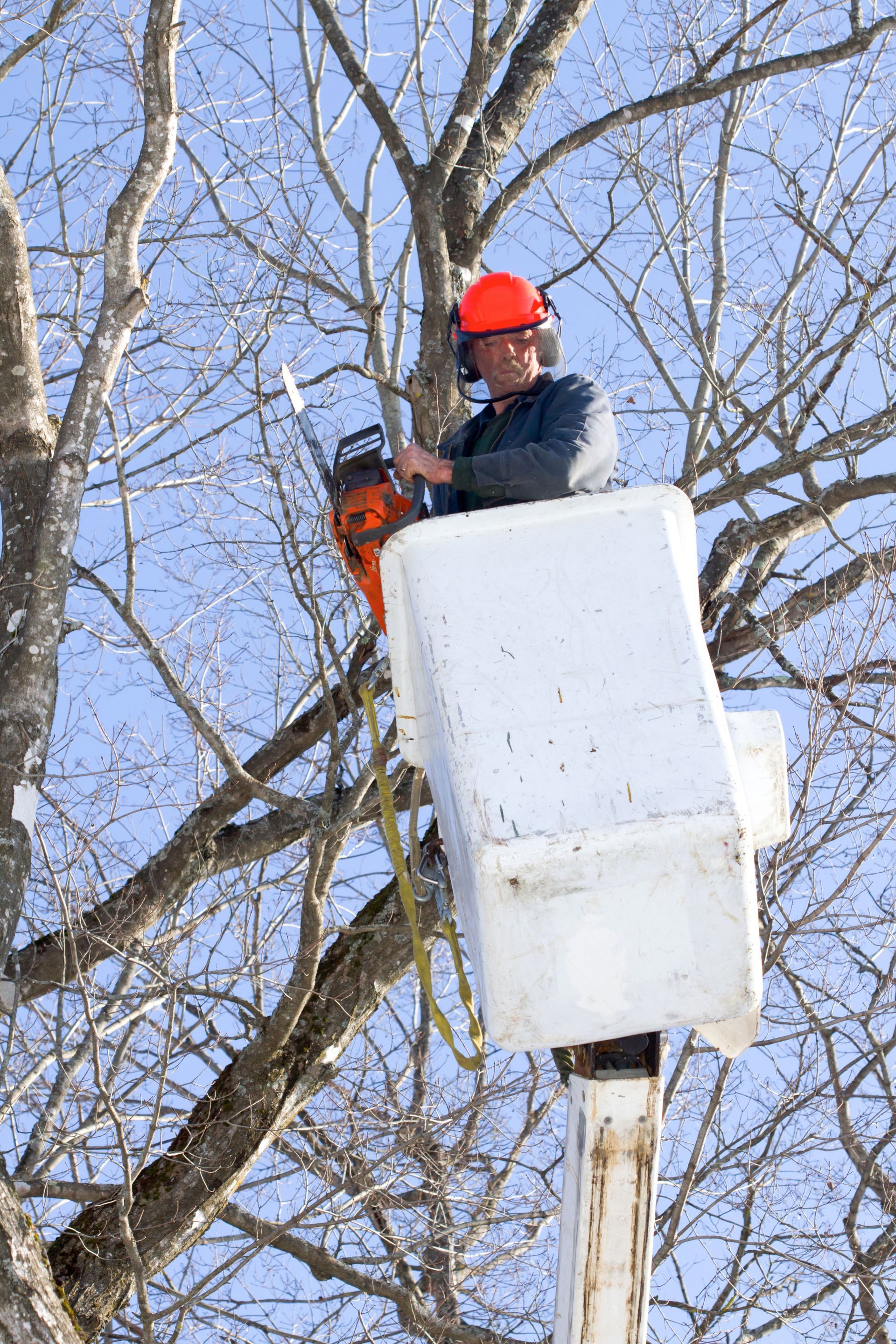
The physical dismantling phase begins with the outermost canopy. Arborists positioned in bucket trucks or suspended by harnesses target the extremities. Removing weight from the top reduces the leverage acting on the failing root system. Small, controlled cuts prevent massive shockwaves from traveling down the trunk. Methodical dismantling eliminates the erratic movements associated with massive falling limbs, preserving structural stability.
Rigging systems catch severed limbs before gravity accelerates them toward the earth. Ropes, pulleys, and friction devices allow ground crews to lower massive sections with complete control. This technique prevents heavy branches from smashing into roofs or crushing delicate understory vegetation. The physics of weight distribution dictate every rigging decision, maintaining a balance against the downward pull of gravity.
Arborists maintain constant communication with the ground personnel managing the descent. The operator above makes the cut, while the team below manages the tension. This synchronized effort ensures a smooth transition from canopy to ground. Every member relies on the expertise of their colleagues to maintain the delicate balance. Teamwork neutralizes the inherent volatility of dropping massive wooden cylinders.
As the canopy disappears, the focus shifts to the main stem. Crews sever the trunk into manageable blocks. Crane-assisted operations hoist these massive cylindrical sections up and away from the impact zone. This vertical extraction represents a critical component of a complex emergency tree removal, preventing the colossal trunk from damaging the soil or underlying concrete surfaces upon impact.
Clearing the Remaining Debris
The culmination of the cutting phase leaves considerable organic material scattered across the property. Ground crews begin processing the timber. High-capacity wood chippers devour smaller branches and leaves, converting them into useful mulch. This machine operates to keep the work area clear and functional. Reducing the brush volume streamlines the final stage of the landscape restoration project.
Heavy logs require distinct handling methods. Specialized loaders lift the massive trunk sections onto awaiting flatbed trucks or large dump trailers. The crew transports these massive pieces to off-site facilities for recycling or milling. Removing the bulk material restores the visual baseline of the affected landscape. Hauling away the lumber eliminates the final remnants of the catastrophic structural collapse.
Raking and sweeping conclude the visible cleanup effort. Crews gather sawdust, twigs, and minor debris, leaving the property in a pristine state. The thoroughness of this final sweep indicates the professionalism of the responding unit. A clean site signifies the end of the immediate crisis. Property owners regain access to their yards without navigating treacherous piles of sharp organic waste.
The concluding step involves a post-operation inspection. The lead arborist reviews the site to ensure no hazards remain. They check for hanging widow-makers in adjacent vegetation and evaluate the condition of the remaining stump. Completing this comprehensive review concludes the emergency tree removal process, guaranteeing the environment poses no lingering threat to the inhabitants or the surrounding residential infrastructure.
Severe weather events and unexpected structural failures disrupt the peace of residential environments. Addressing these sudden botanical crises requires specialized knowledge, heavy machinery, and strict safety protocols. Attempting amateur repairs introduces unquantifiable hazards to both human life and physical property. The intricate dance of cranes, chainsaws, and rigging ropes highlights the intense nature of professional hazard mitigation in unpredictable environments.
Property owners facing fallen trees must recognize the complexities involved in safe extraction. Deferring to experienced crews ensures a systematic approach to hazard reduction and site restoration. An emergency tree removal transforms a chaotic disaster zone back into a safe, functional landscape. Understanding this rigorous progression brings profound peace of mind when facing nature's unpredictable wrath and structural damage. At Ryan Tree Service, Inc., we understand how overwhelming sudden storm damage can be, so please contact us right away for help. We are standing by to handle your emergency tree removal safely and efficiently.

Share On: