
Factors That Affect the Cost of Tree Removal
Understanding the factors that affect the cost of tree removal can help homeowners and property managers plan with greater confidence. The final price is shaped by more than simply cutting down a tree. Tree size, location, condition, regulations, accessibility, equipment needs, and timing can all influence the work involved. By recognizing these considerations before scheduling a project, property owners can better anticipate potential challenges, compare service options, and prepare for the expenses associated with professional tree removal.
Every property presents a different set of circumstances, so the cost of tree removal can vary from one project to another. A professional assessment can identify potential obstacles before work begins and help determine the safest and most practical approach. Understanding what affects the project also makes it easier for property owners to discuss their needs with a qualified tree service provider.
Assess Tree Size and Height
The size and height of a tree have a significant influence on the complexity of tree removal. Taller trees generally require more specialized equipment, additional safety precautions, and experienced professionals to complete the work safely. Greater height can also make it more difficult to control falling limbs and sections of the tree, particularly when nearby structures or landscaping are present.
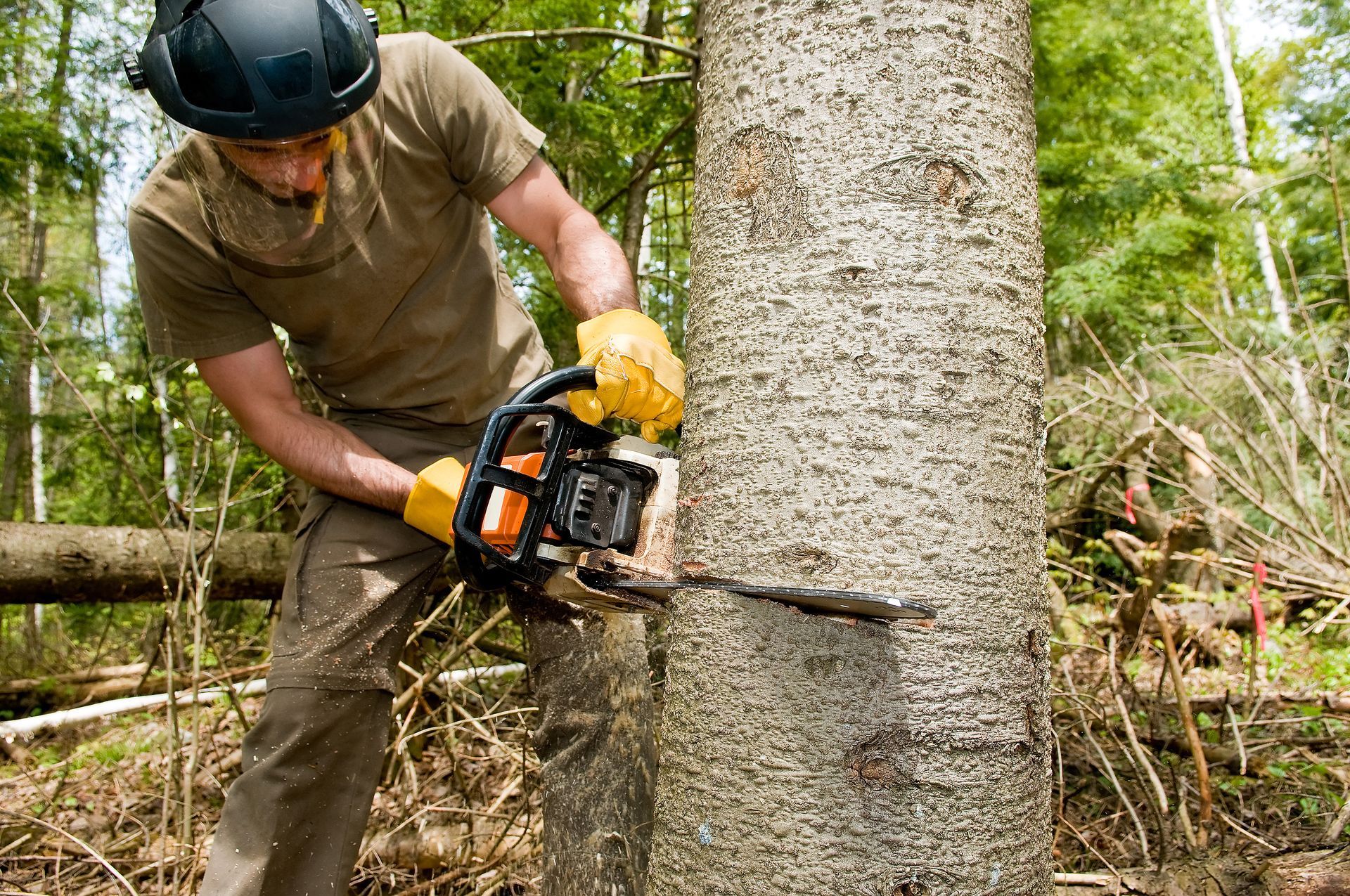
Trunk diameter is another important consideration. A thicker trunk can require more cutting time, specialized tools, and additional labor. Larger trees may also produce more branches, wood, and debris, increasing the effort required for cleanup after the tree removal is complete.
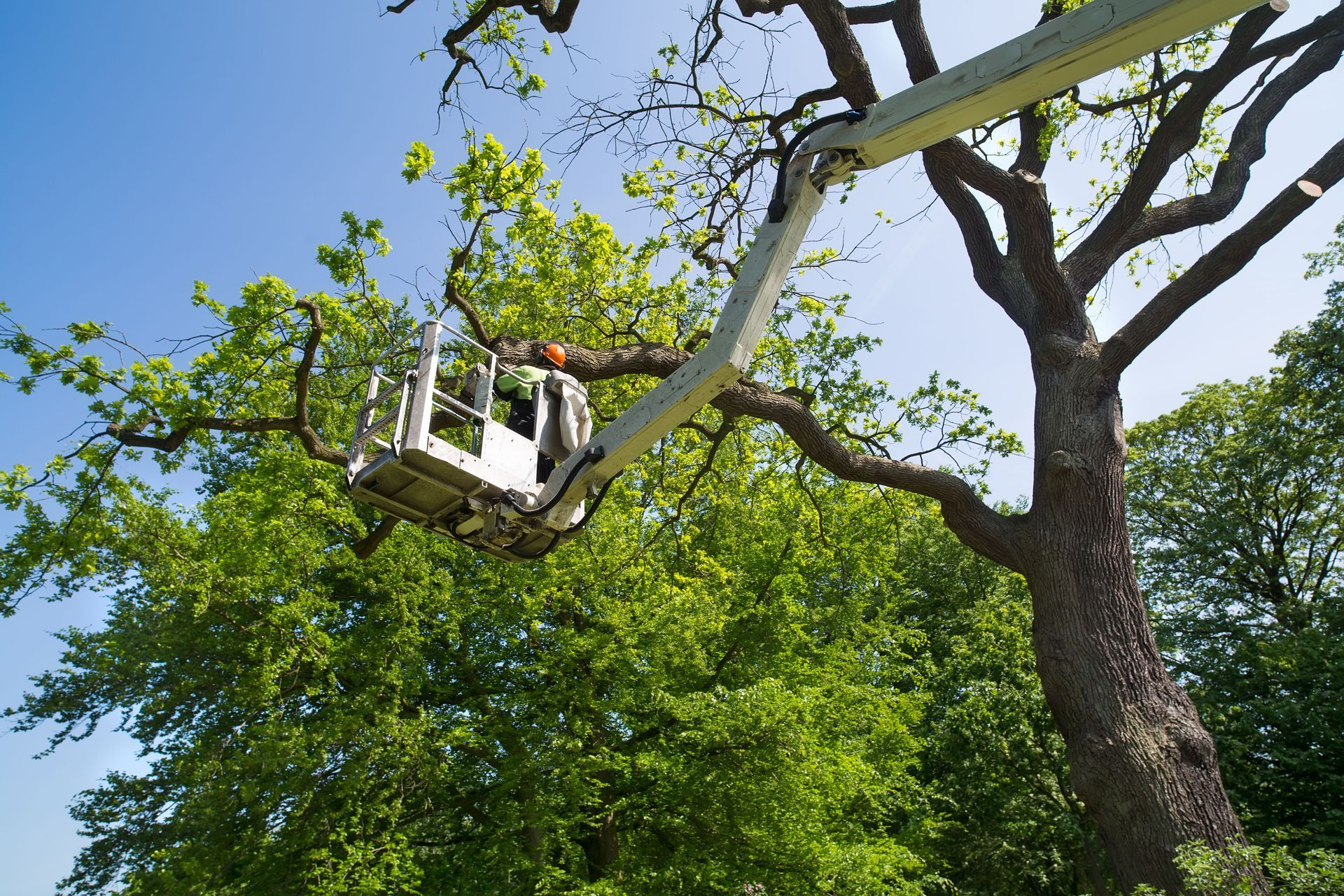
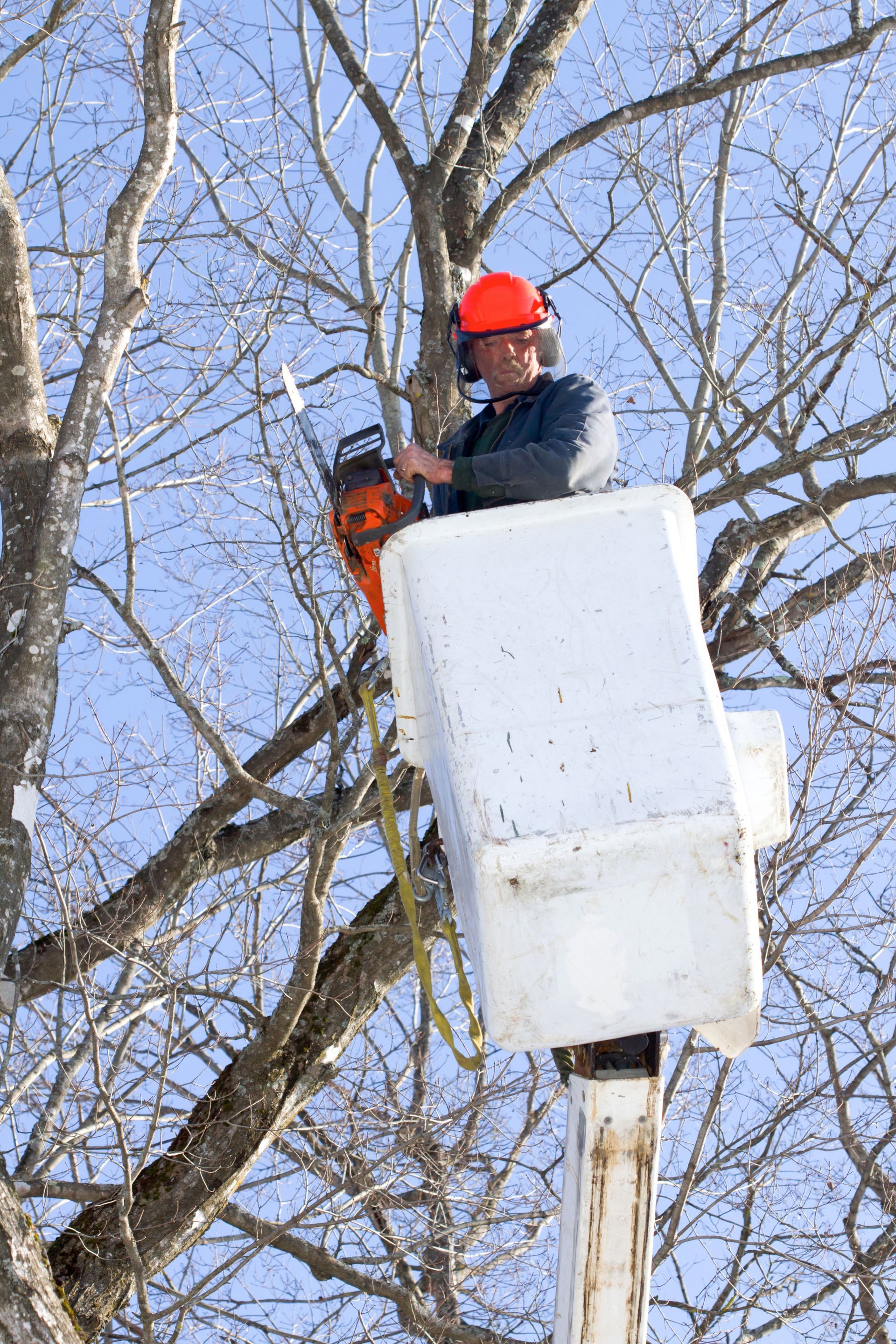
The equipment needed for the job can also affect the overall cost. Straightforward projects may require basic cutting equipment, while complex situations can call for cranes, bucket trucks, rigging systems, or other specialized machinery. The more demanding the project, the greater the need for skilled labor and appropriate equipment.
Tree structure can make the work more complicated as well. A tree with multiple large limbs, unusual growth patterns, or extensive branching may require careful planning before cutting begins. Professionals need to determine how each section can be lowered or removed without damaging nearby property. This planning is an important part of safe tree removal and can affect the amount of labor involved.
Evaluate Location and Accessibility
Where a tree is located can have a major effect on tree removal costs. Trees positioned in open areas may provide ample room for equipment and workers to operate safely. In contrast, trees surrounded by buildings, fences, landscaping, vehicles, or other obstacles can require more careful planning and specialized techniques.
Proximity to structures and utility lines is especially important. A tree located near a home, garage, power line, or other infrastructure presents additional risks. Professionals may need to use controlled cutting methods and specialized rigging to prevent damage to surrounding property. These precautions can increase the labor, equipment, and planning involved in tree removal.
Access to the worksite matters as well. Narrow gates, confined yards, steep driveways, and other obstacles can make it difficult to transport equipment to the tree. When standard machinery cannot easily reach the site, additional labor or specialized equipment may be necessary. Yard terrain can create similar challenges, as uneven or sloped ground may require additional safety measures.
The amount of available working space can also affect the process. When there is plenty of room around the tree, workers may have more options for positioning equipment and managing removed sections. Limited space can require a more controlled approach, especially when branches cannot simply be lowered into an open area. These site conditions can make tree removal more time-intensive and may require additional preparation.
Consider Tree Condition and Health
The condition of a tree can significantly change how tree removal must be performed. Healthy trees may have more predictable structural behavior, while trees affected by disease, decay, storm damage, or other weaknesses can be more hazardous. Professioals must account for these conditions when determining how to safely dismantle and remove the tree.
Diseased or declining trees may have unstable branches or compromised sections that can break unexpectedly. This can require additional inspections, safety precautions, equipment, and labor. Addressing these concerns carefully helps reduce the possibility of property damage or injuries during tree removal.
Dead branches can create additional hazards because they may detach without warning. Trees with internal decay can also behave differently than their outward appearance suggests. For this reason, a professional evaluation is valuable before work begins. Identifying weak areas allows the crew to develop an appropriate removal strategy rather than relying on assumptions about the tree's stability.
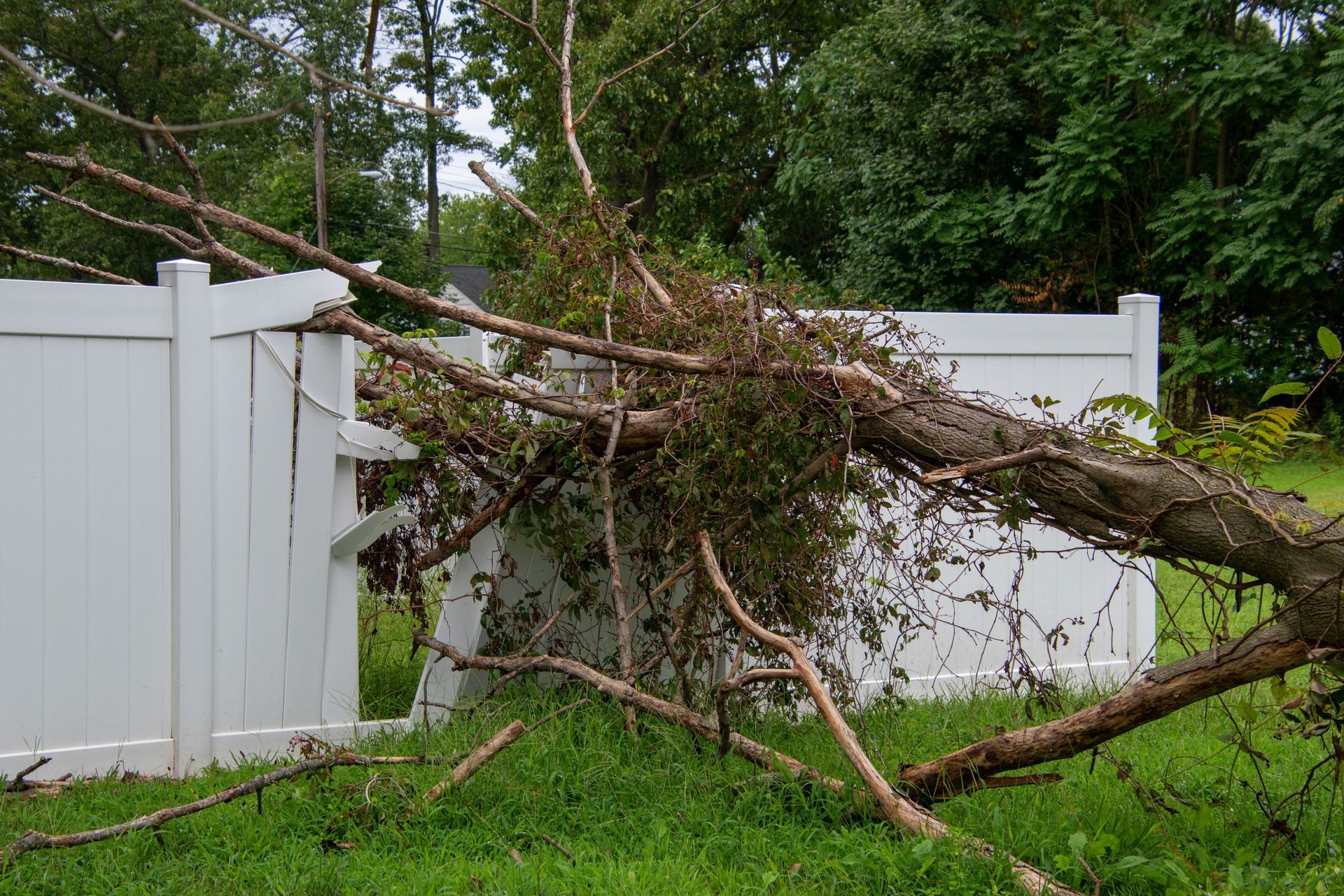
Emergency situations can also influence the cost of service. Storm-damaged or fallen trees may require immediate attention because they can block access, threaten structures, or create other hazards. According to This Old House, tree removal may take anywhere from 15 minutes to a few hours, depending on the tree's size and type. When urgent conditions require a rapid response, scheduling demands and additional safety considerations can affect the overall cost of tree removal.
Check Permits and Regulations
Local regulations can play an important role in planning tree removal. Some communities require property owners to obtain approval before removing certain trees, while other locations may have specific rules based on tree characteristics, property conditions, or environmental concerns. Checking applicable requirements before work begins can help prevent unexpected complications.
Permit requirements can introduce administrative expenses and additional preparation. Property owners may need to provide documentation, complete applications, or meet specific conditions before work can proceed. Factoring these requirements into the planning process can make the tree removal project more predictable.
Environmental protections may also affect removal decisions. Certain areas can have restrictions designed to protect wildlife, vegetation, or other environmental resources. Historic districts and preservation zones may have additional requirements intended to maintain the character of the surrounding area. Failure to follow applicable regulations can result in delays, penalties, or other unexpected expenses.
Property owners should also avoid assuming that permission to remove a tree is automatically granted. Regulations can vary based on the property and local jurisdiction. Reviewing the applicable rules before arranging tree removal can prevent a project from being delayed after preparations have already begun.
Working with an experienced professional can help property owners identify regulatory considerations before scheduling tree removal. A proper review of local requirements supports a safer and more organized project while reducing the likelihood of avoidable complications.
Tree removal costs are influenced by much more than the act of cutting down a tree. Size and height, site accessibility, tree condition, equipment requirements, regulations, weather, cleanup needs, and scheduling can all affect the complexity of the work. Understanding these factors allows homeowners and property managers to prepare more effectively, ask informed questions, and avoid unexpected complications.
Every tree removal project has its own challenges, which is why a professional evaluation can be so valuable. An experienced tree service provider can examine the tree, surrounding property, access conditions, and potential hazards before recommending an appropriate approach. This helps ensure that the work is planned around safety, efficiency, and the specific needs of the property.
When you need dependable guidance for a tree removal project, Ryan Tree Service, Inc. can help assess your property's needs and determine an appropriate approach. Contact Ryan Tree Service, Inc. today to discuss your tree removal needs and request professional service.


Share On: