
Health and Safety Hazards of Neglecting Tree Trimming Service
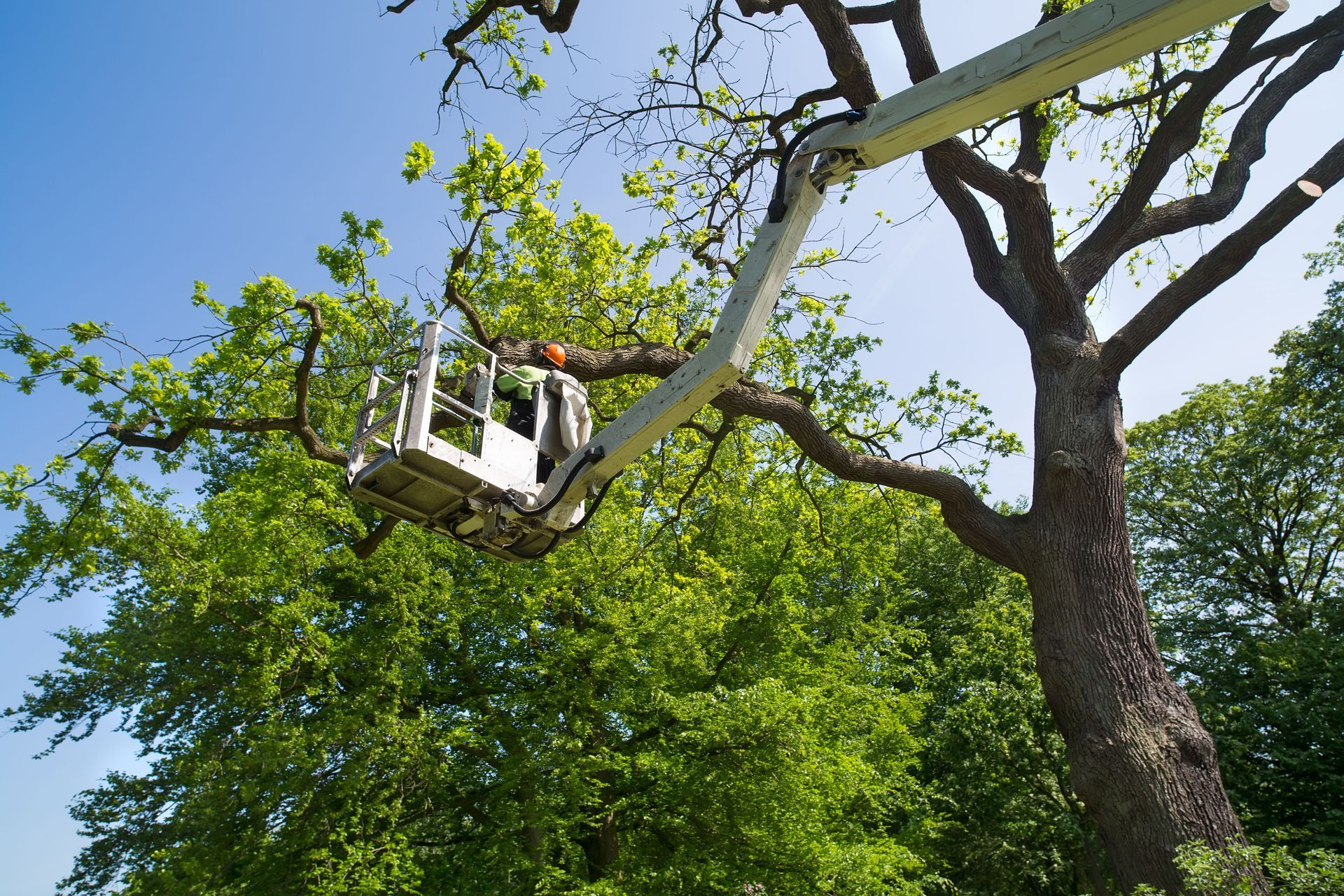
Tree trimming plays a crucial role not only in maintaining the aesthetic value of properties but also in ensuring safety and health in residential areas. Proper maintenance through regular trimming promotes the longevity and vitality of trees, preventing potential dangers associated with overgrowth. More than just an aesthetic enhancement, investing in a proactive tree trimming service mitigates risks that typically arise from neglect, such as structural damage to homes or hazards to human safety. It is a significant aspect of urban forestry that helps maintain balance in both landscape and safety, creating a harmonious relationship between residents and nature. With increasing awareness about safety and environmental concerns, the need for routine maintenance has never been more critical.
Overgrown Trees and Property Damage
Structural Damage to Buildings
Neglected tree growth can lead to significant structural damage to nearby buildings. Over time, branches may extend toward structures, putting pressure on walls, roofs, and gutters. This unchecked growth increases the likelihood of damage during storms, as strong winds can cause branches to crash into homes. Relying on a professional tree trimming service helps to control the extension of branches, mitigating potential damage and reducing repair costs. Moreover, avoiding such damages can enhance the property's value and ensure safety for its occupants.
Interference with Power Lines
Overgrown trees pose a significant threat to power lines, potentially causing outages and electrical hazards. During storms, the likelihood of branches snapping and knocking down power lines increases dramatically. Not only does this result in a power outage, but it also poses a risk of fire and danger to surrounding areas. By proactively trimming trees before they reach utility lines, homeowners and municipalities can prevent these dangerous scenarios. According to the International Society of Arboriculture (ISA), 65% of homeowners invest in a professional tree trimming service to specifically prevent such storm-related damage, showcasing the importance of this preventive measure.
Risks to Fences and Walls
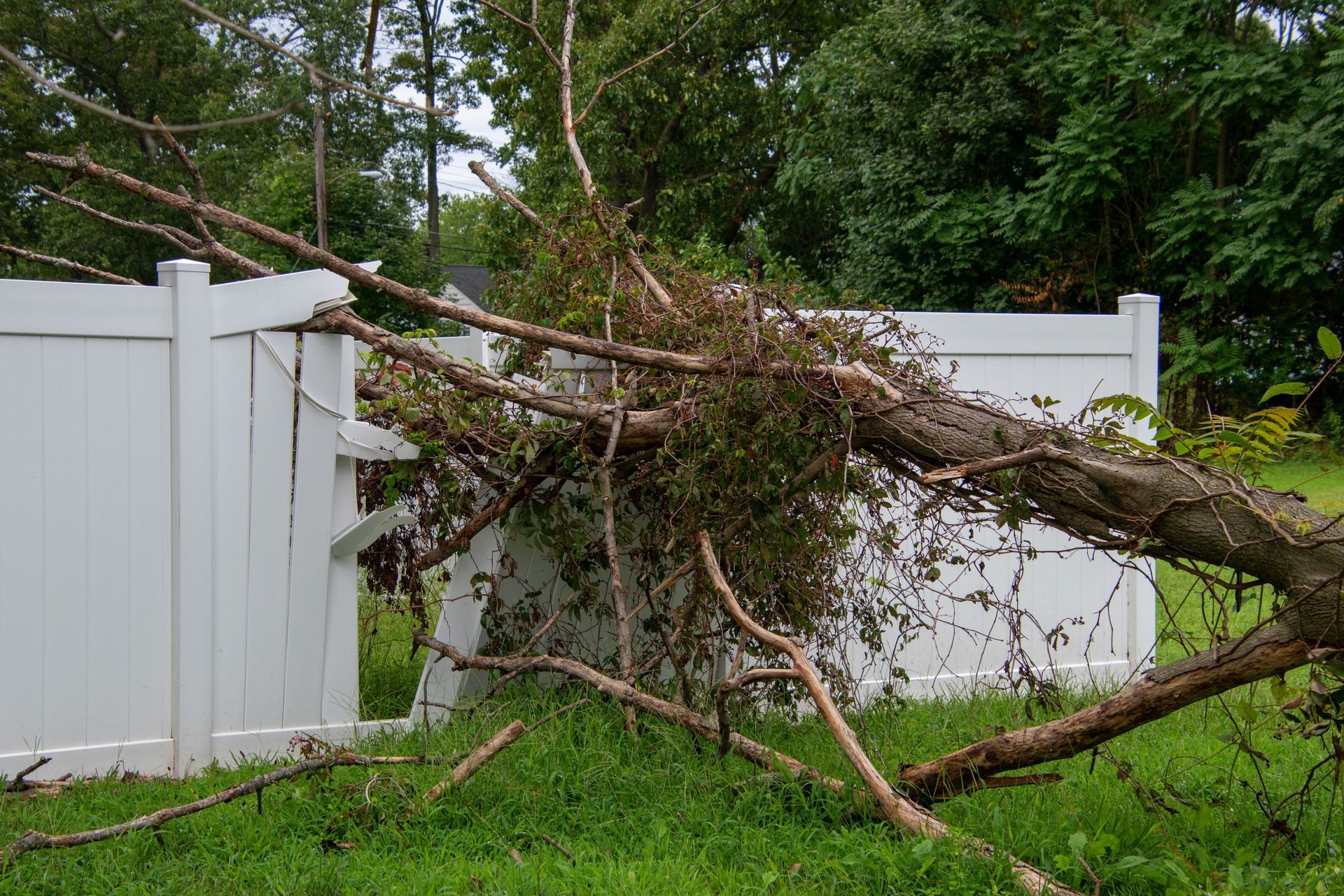
Fences and walls are also at risk from the unchecked growth of trees. Roots can extend beneath foundations, causing walls to crack or become unstable. Not only do these intrusions present repair and replacement costs, but they can also compromise the security of the property. Trees that are carefully maintained by an experienced tree trimming service are less likely to pose such a risk, allowing both natural and constructed barriers to coexist peacefully. Maintaining a balance between greenery and structural integrity is central to preserving property value and ensuring prolonged use of all outdoor installations.
Increased Risk of Accidents
Falling Branches
One of the most common hazards associated with insufficient maintenance is the potential for falling branches. These branches can cause injury to people, damage to property, and even disrupt traffic if they fall onto roads. The weight and height of branches contribute to the severity of the hazard, especially during storms when wind speeds can elevate the risk. Routine care removes dead or weakened branches, significantly reducing the potential for such accidents. Incorporating a regular tree trimming service ultimately contributes to the safety and welfare of the community.
Hazardous Walking Paths
Overgrown branches and root systems can create treacherous walking conditions. Paths can become obstructed, causing physical strain from ducking or maneuvering around protruding branches. During rainy seasons, leaves and debris from untrimmed trees can make surfaces slippery, increasing the risk of falls. Scheduling a tree trimming service ensures walkways remain clear and safe for foot traffic, reducing liability for property owners. Knowing that sidewalks and garden paths are free of hazards provides peace of mind to both homeowners and visitors.
Obstruction of Traffic Signals
Urban environments particularly suffer from overgrown trees that obscure traffic signals and signage. Such obstructions can lead to accidents as drivers miss critical information necessary for safe transport. Regular maintenance maintains clear sightlines, ensuring that all traffic signals are visible to drivers. By being proactive, cities can prevent traffic disruptions and ensure a smooth flow of movement within the urban grid. In this way, professional tree maintenance directly contributes to public safety on the roadways.
Impact on Tree Health and Growth
Increased Susceptibility to Pests
Tree health is heavily compromised when maintenance is ignored, leading to increased pest infestations. Overcrowded branches provide an ideal environment for insects and vermin seeking shelter and food. These pests can quickly spread from trees to homes, causing further issues and necessitating costly pest control measures. Routine cutting interrupts pest habitats and enables early detection of infestations, controlling the problem before it escalates. This preventative approach ensures tree vitality, creating sustainable green spaces for future enjoyment.
Disease Proliferation
Diseases spread rapidly in the dense canopy of unkempt trees, often going unnoticed until significant damage is done. Fungal infections, in particular, thrive in moist, overcrowded conditions, spreading through leaf surfaces and root systems. When diseases take hold, they can weaken the entire structure of a tree, making it susceptible to wind damage and branch breakage. Targeted tree trimming service practices help promote airflow and sunlight, both of which deter disease proliferation. Healthy trees contribute to the overall well-being and aesthetics of a property, representing an indispensable asset to nature's beauty.
Poor Tree Structure
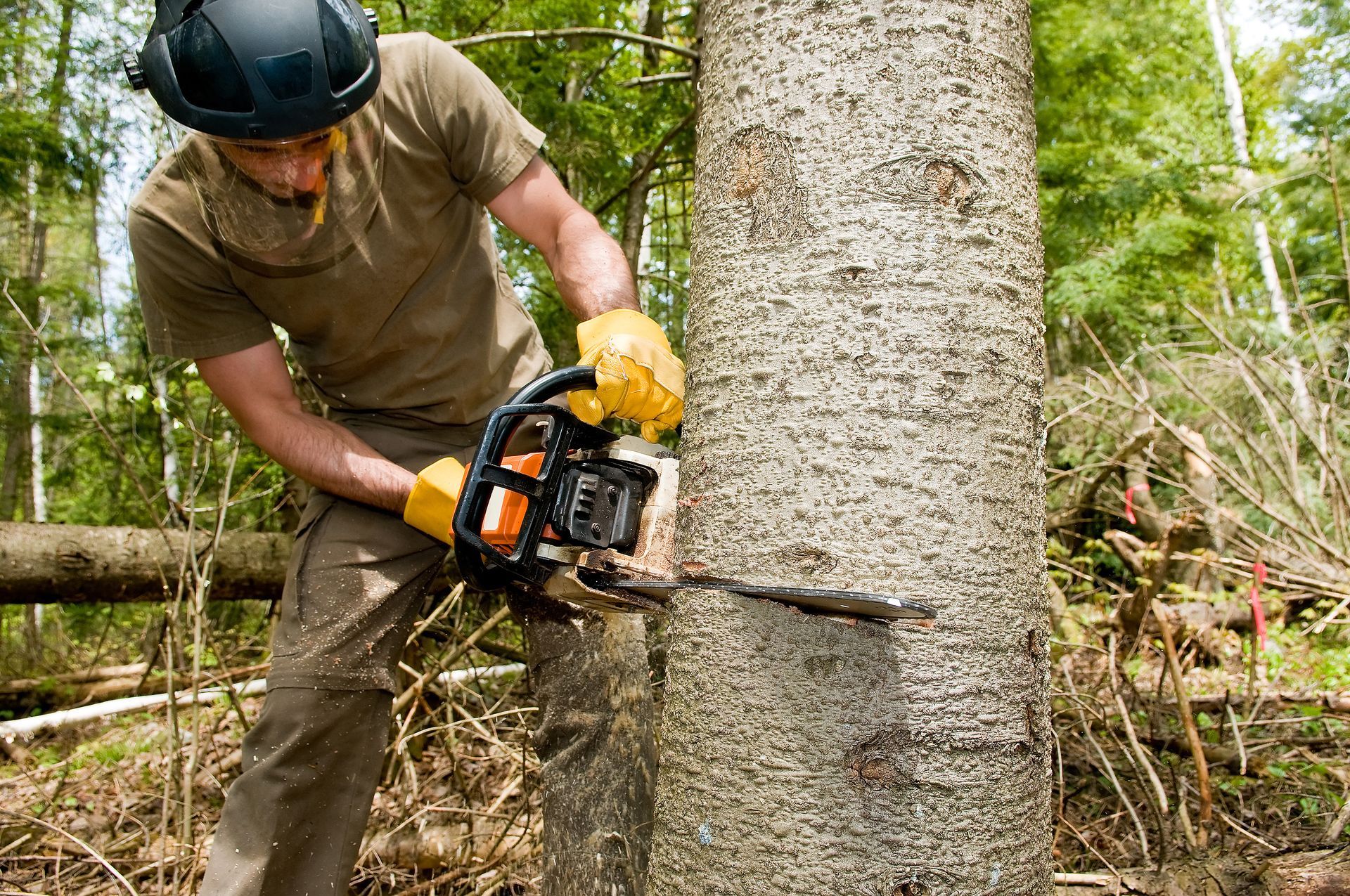
A common outcome of neglected care is poor structural development of trees. Trees may develop weak forked branches, excessive low branches, or an overall unbalanced appearance. These structural issues not only affect tree aesthetics but increase the likelihood of branch failure under stress. Professional arborists can shape tree growth through selective pruning, enhancing both structure and resilience. Investing in an expert tree trimming service helps maintain the tree's strength and supports an optimal growth trajectory.
Legal and Financial Implications
Liability for Property Damage
One of the major legal concerns associated with neglected care is the liability for property damage. Unchecked tree growth can result in falling branches or structural damage to neighbors' property, making homeowners legally responsible for reparations. Beyond financial implications, prolonged disputes can lead to strained relationships between neighbors. Routine maintenance of trees can avert these conflicts, ensuring property lines and safety protocols are respected. Homeowners must take proactive steps to protect their properties and foster positive community dynamics.
Personal Injury Lawsuits
Personal injuries caused by falling branches or slippery pathways introduce a significant risk of lawsuits for property owners. Such incidents can lead to substantial financial burdens, depending on the extent of injury and legal outcomes. Preventive pruning minimizes these risks by ensuring hazardous branches are removed and pathways remain clear and safe for passage. In this way, regular tree care acts as a safeguard against legal pitfalls. Understanding and mitigating risk establishes homeowners as responsible and conscientious members of their communities.
Increased Insurance Premiums
Insurance premiums often reflect the perceived risk of damage or liability posed by property conditions, including tree maintenance. Properties with unkempt trees are viewed as higher-risk investments, potentially leading to increased premiums. Conversely, demonstrating proactive tree care practices can lower insurance costs and convey a lower risk profile to insurers. Keeping insurance companies informed of maintenance practices can result in more favorable terms and reduced coverage costs. For homeowners, cost efficiencies are realized both immediately and over the long term.
The importance of regular tree care extends far beyond aesthetic value, touching on critical aspects of health, safety, and environmental stewardship. Proactive tree maintenance prevents numerous hazards, from structural damage and personal injury to environmental degradation and legal implications. By investing in professional services, as 65% of homeowners now do to prevent storm damage, communities can safeguard their environments and promote well-being for all residents. The collective benefits of seasonal pruning underscore its role as an essential practice in ensuring a balanced and harmonious living habitat. Ultimately, ongoing commitment to tree care contributes positively to creating resilient and thriving communities.
Contact Ryan Tree Service, Inc. today to schedule your consultation and protect your property with a trusted, professional tree trimming service.


Share On: