
What Homeowners Should Know Before Hiring Tree Service Companies
Trees add shade, curb appeal, and value to a property, but they also require careful maintenance to stay safe and attractive. When branches hang too close to a home, roots disrupt nearby surfaces, or a tree shows signs of disease, homeowners need a professional team that understands safe removal and precise trimming. Even though some people get referrals from a local roofing company after storm damage, it is still important to evaluate tree specialists on their own qualifications. Before signing a contract, homeowners should understand what services are needed, how companies price their work, and what standards separate skilled crews from risky operators.
Understanding the Scope of Tree Care
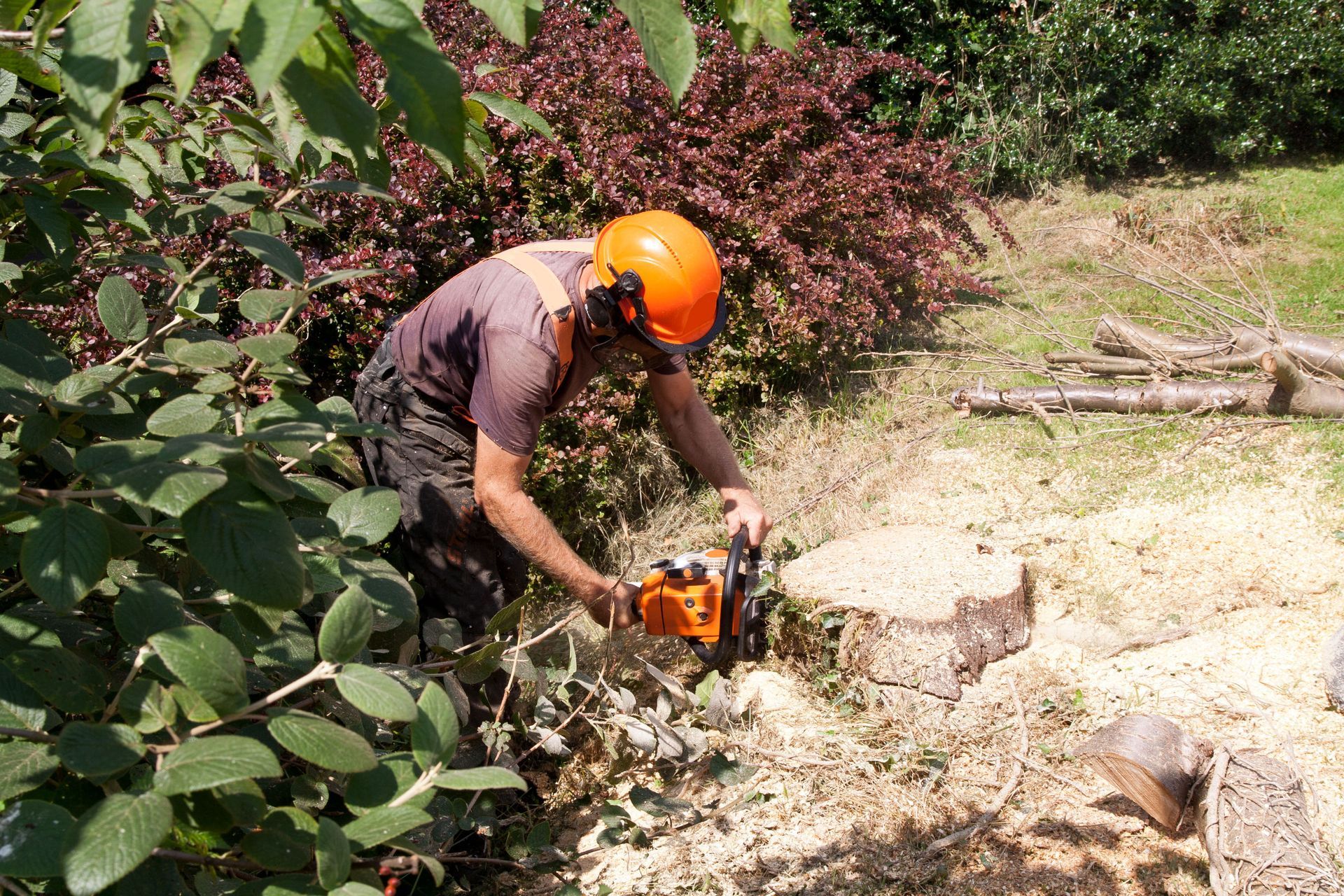
Before hiring anyone, homeowners should first determine what kind of help they need. Tree work can include pruning, crown reduction, stump grinding, emergency storm cleanup, lot clearing, health assessments, and full removal. Each service requires a different level of skill, equipment, and planning. A company that handles light trimming may not be the best fit for a dangerous removal near power lines or a structure.
This is also the stage when homeowners should look beyond a referral from a local roofing company and focus on the condition of the trees themselves. Dead limbs, hollow trunks, leaning growth, fungus at the base, and repeated branch drop can all signal that professional attention is needed. Healthy trees may only need seasonal trimming to improve growth and appearance. Knowing the difference helps homeowners explain the issue clearly and compare proposals more effectively.
A clear understanding of the scope also prevents overpaying. Some properties need targeted trimming rather than complete removal, while others require more extensive work for safety reasons. When homeowners know their priorities, they are better positioned to hire a crew that offers the right service rather than the most expensive one.
Verifying Licensing, Insurance, and Experience
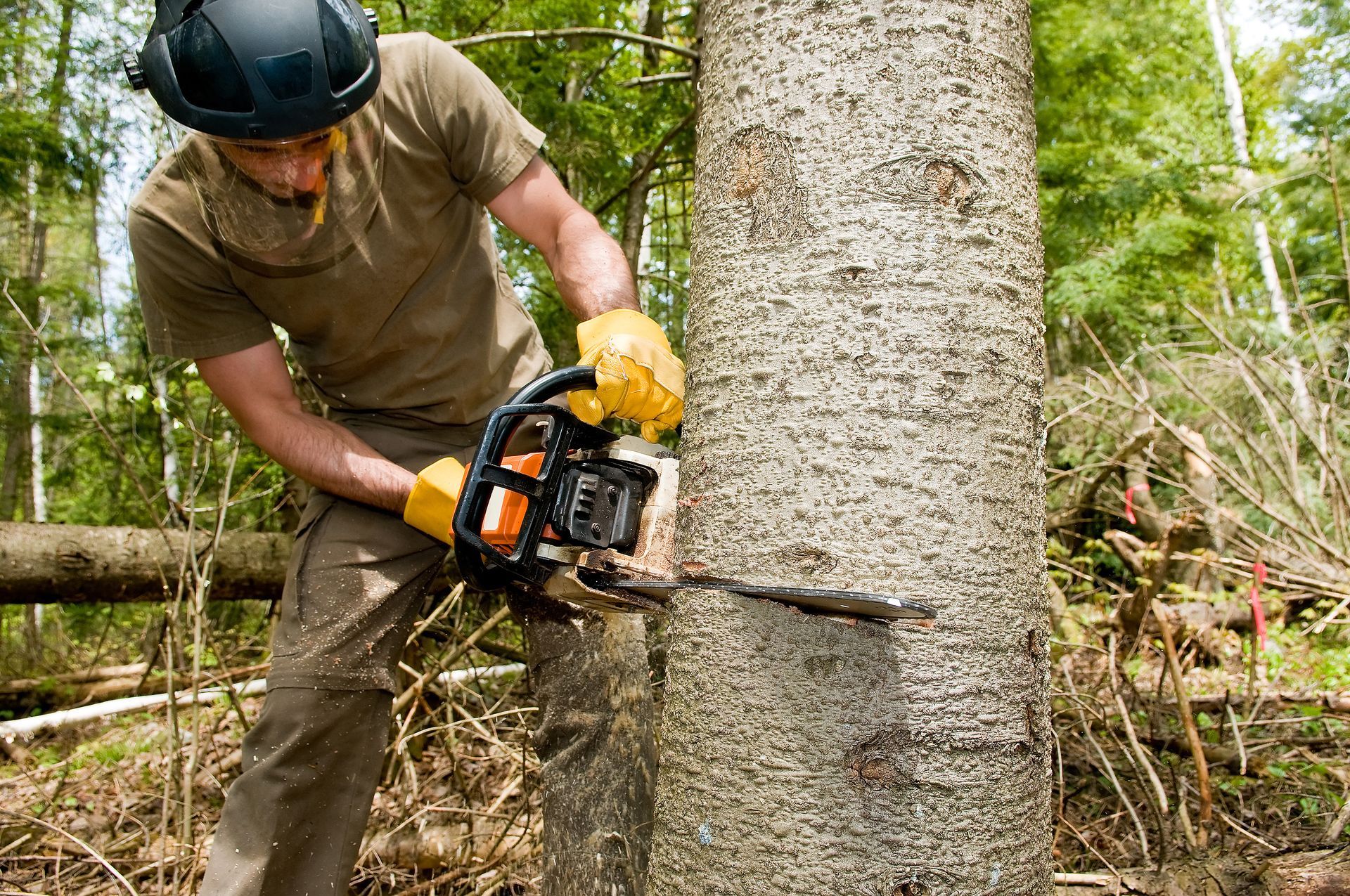
Credentials matter in tree care because this work involves height, heavy equipment, falling debris, and potential property damage. Before hiring tree service companies, homeowners should ask whether the company is properly licensed where required and whether it carries liability insurance and workers’ compensation coverage. Without that protection, the homeowner could face serious financial exposure if an accident occurs on the property.
It is also wise to ask how long the company has been in business and whether its crew members are trained in safe climbing, rigging, and cutting methods. A referral from a local roofing company may point someone in the right direction, but it should never replace direct verification. Homeowners should request proof of insurance and confirm that it is current.
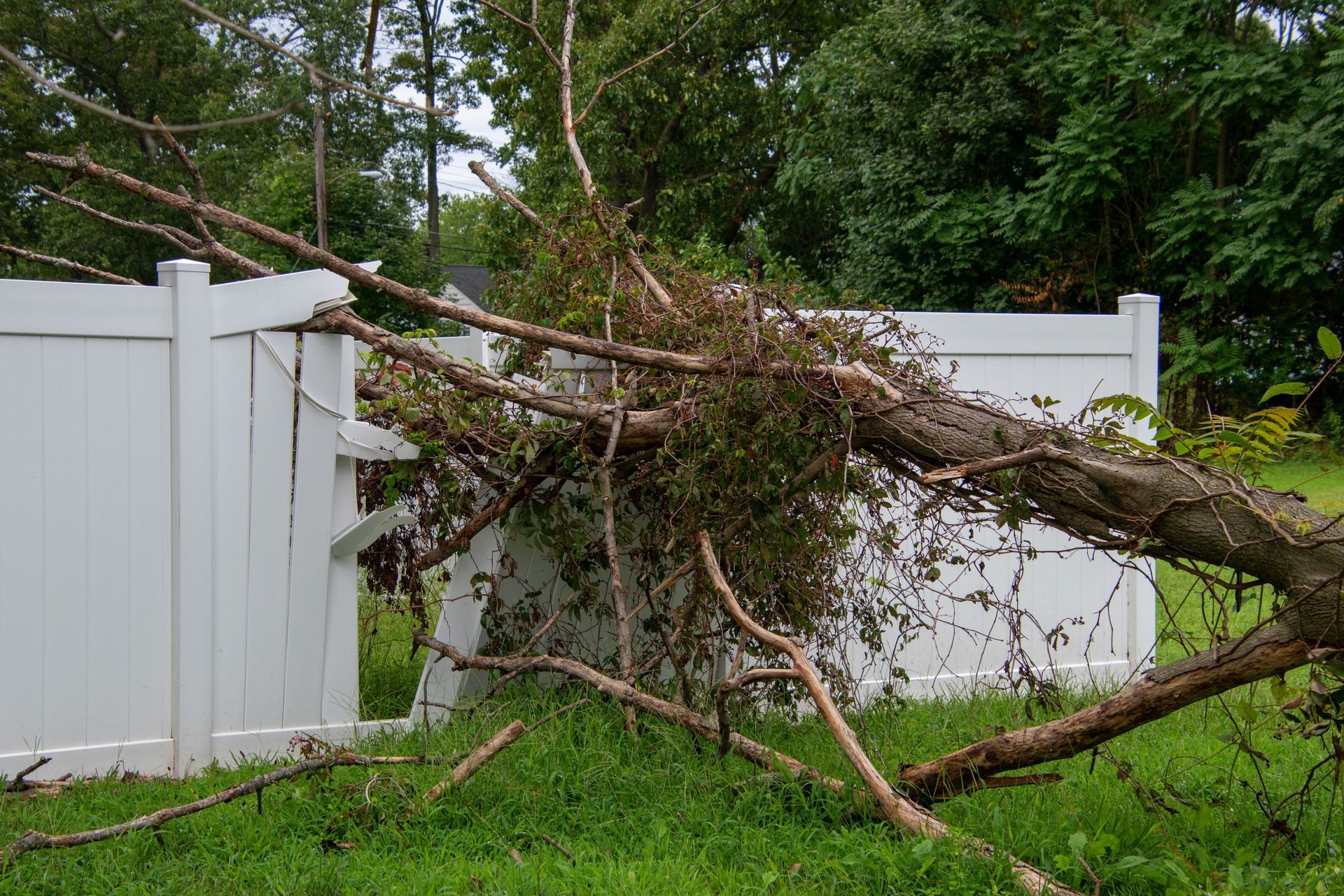
Experience is especially important when large trees are close to roofs, fences, driveways, or neighboring homes. Skilled professionals know how to remove sections, protect surrounding features, and adjust their approach based on the species and condition of the tree. That level of preparation can make a difference in both safety and final results.
Comparing Estimates and Work Details
Homeowners should never hire a company based on the first quote alone. Getting multiple written estimates helps reveal differences in pricing, services, cleanup, and equipment. One proposal may include debris hauling, stump grinding, and haul-away fees, while another may price those items separately. Without a written breakdown, it becomes difficult to know what is actually included.
This comparison process can be even more important when a local roofing company has suggested a tree crew after a storm. Urgent situations can create pressure to move quickly, but rushed decisions often lead to misunderstandings. A professional estimate should describe the work area, identify which trees or limbs will be addressed, explain whether cleanup is included, and note any special conditions that could affect pricing.
Homeowners should also pay attention to unusually low bids. A bargain price can sometimes mean the company lacks adequate insurance, proper equipment, or qualified labor. In tree work, low pricing may come at the cost of safety, property protection, or thorough cleanup. A fair estimate reflects the time, labor, and risk involved.
Asking About Safety, Timing, and Equipment
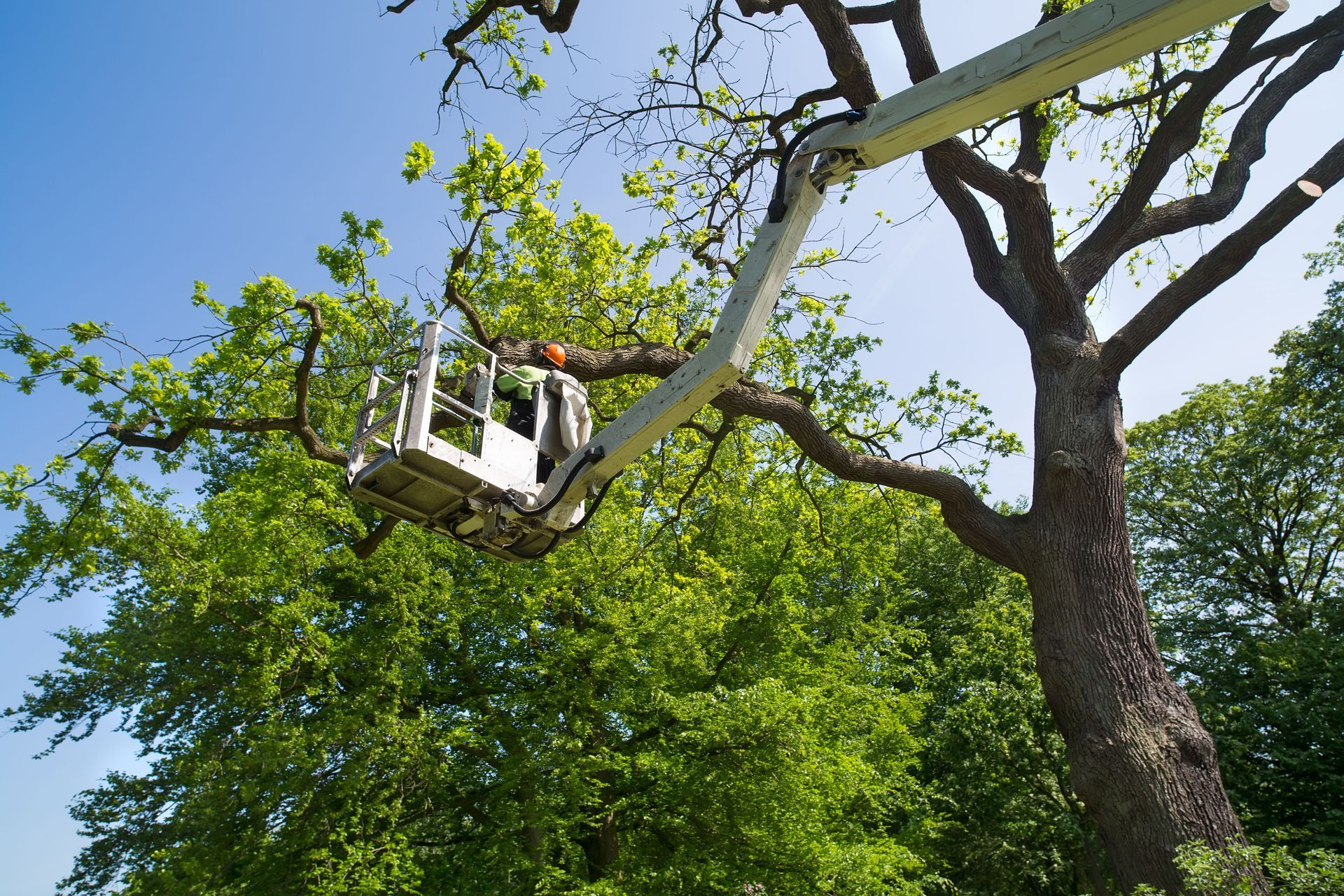
A reputable company should be willing to explain how the work will be performed. Homeowners should ask what equipment will be used, whether the crew will climb or use a bucket truck, and how nearby structures and landscaping will be protected. These questions show whether the company has a thoughtful process or plans to improvise once it arrives on site.
Timing is another important part of the discussion. According to This Old House, tree removal can take anywhere from 15 minutes to a few hours, depending on the tree’s size and type. That range makes sense because no two properties present the same conditions. If a tree is close to a house, shed, or overhead line, the job may require slower, more controlled cuts. Even when the homeowner first heard about the company through a local roofing company, it is still worth discussing how long the job should take and what variables could extend it.
Safety planning should include traffic flow on the property, debris drop zones, and communication with the homeowner before work begins. Companies that can explain these details are often better prepared to carry out the job responsibly.
Preparing the Property and Protecting the Home
Once a company is selected, homeowners should prepare the property so the work can proceed smoothly. Vehicles should be moved away from the work zone, gates should be unlocked if access is needed, and outdoor furniture or decorations should be relocated. Children and pets should remain indoors or away from the area until the job is complete.
This step is particularly important when trees are close to a home, garage, fence, or features that a local roofing company may already have inspected after wind or storm damage. Tree crews need room to work safely, and limited access can increase both time and complexity. Homeowners should also ask whether plywood, mats, or other protective materials will be used to reduce damage to the lawn or driveway from heavy equipment.
It is equally helpful to confirm how the cleanup will be handled. Some companies leave cut wood stacked for the homeowner, while others remove every branch and chip all debris. Stump grinding, sawdust removal, and restoration of disturbed areas should be discussed in advance. Clear expectations help homeowners avoid frustration after the work is finished.
Planning for Long-Term Tree Maintenance
Hiring tree service companies should not be viewed as a one-time event in every case. Many properties benefit from ongoing inspections and maintenance, especially when mature trees are near structures or exposed to frequent storms. Preventive trimming can reduce the chance of broken limbs, improve the shape of a tree, and support healthier growth over time.
Homeowners who rely on a local roofing company for storm-related advice should remember that roof and tree concerns often overlap. Overhanging limbs can scrape shingles, drop debris into gutters, and increase the risk of impact during severe weather. Coordinating tree care before damage occurs can help reduce repair costs later and protect the overall appearance of the property.
A long-term plan may include seasonal pruning, removal of weak branches, monitoring for disease, and reassessment after major weather events. Homeowners should also ask whether the company offers guidance on tree health and future risk factors. The best results usually come from a proactive approach rather than waiting until a tree becomes an emergency. When homeowners understand how to evaluate tree service companies, they can make informed decisions that support safety, appearance, and lasting property value. Call Ryan Tree Service, Inc today to schedule your tree trimming or removal service.


Share On: